

Hydraulic Cylinder Tube & Hardware Fabrication for OEMs
Any steel manufacturer can produce standard-issue hardware and hydraulics. Only Fraser Steel adapts its cutting-edge technology and highly refined manufacturing processes to the specific needs of OEMs. From precision-cut hydraulic cylinder tube to custom steel bushings and gear blanks, Fraser Steel combines laser tube cutting, bending, and robotic welding in one facility, giving hardware and hydraulic component OEMs a single, ISO 9001:2015-certified source for tight-tolerance parts at scale.
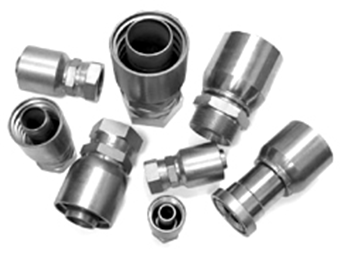
Fraser Steel applies its cutting-edge technology and highly refined manufacturing processes to the specific needs of OEMs
Fraser Steel Serves OEMs with Exacting Standards
Fraser provides complete, one-stop services – from rapid prototyping to laser tube cutting – to save customers production time and costs. Its scope and flexibility make it the preferred choice among OEMs with exacting standards. They contract with Fraser for high-quality components, including:
- Ferrules — precision-cut sleeves and end fittings used to secure hydraulic and mechanical connections
- Bushings — close-tolerance steel bushings and spacers for wear reduction and alignment
Stem tubes — laser-cut and machined stem tube components for hydraulic and mechanical assemblies - Gear blanks — precision blanks ready for downstream gear-cutting operations
- Brake lines — formed and cut tube sections for hydraulic brake systems
- Cylinders — laser-cut and honed-ready tube sections used in hydraulic cylinder assembly
- Stand-offs — custom-length tube stand-offs and spacers
- Wire — formed wire components to OEM specification
Every component is produced using the same laser tube cutting, precision bending, machining and robotic welding processes that make Fraser Steel a trusted partner across the hardware and hydraulics supply chain.
Materials Built for Hydraulic & Hardware Performance
Hydraulic and hardware components demand consistent wall thickness, tight tolerances, and reliable weldability. Fraser Steel fabricates hydraulic cylinder tube and hardware parts in carbon steel, aluminum, stainless steel, copper, and brass — including HSLA and dual-phase steels — up to 6″ OD and 0.250″ wall thickness. If your print specifies an ASTM standard or a specific grade for pressure-rated applications, we build to it; if not, our engineering team can help confirm the best material for your part.
Capabilities Applied to Hardware & Hydraulic Components
Fraser Steel pairs multiple in-house processes to reduce operations and lead time on hardware and hydraulic tube parts:
- Laser Tube Cutting — precision-cut cylinder tube, stem tube, and stand-off components in a single automated pass
- Precision Bending — tube bending services paired with laser cutting to cut typical part production from six operations down to two
- Robotic Welding — AWS D9.1-certified robotic welding services for welded hardware and hydraulic assemblies
- Machining & Turning — close-tolerance finishing for bushings, gear blanks, and cylinder tube ends
Industries That Depend on Hardware & Hydraulic Components
Hydraulic cylinder tube, bushings, and hardware components manufactured by Fraser Steel support the structural and mechanical systems used across several of the industries we serve, including Agriculture, Lawn & Garden, Recreational Vehicles, and Automotive equipment platforms. Wherever OEMs need dependable hydraulic and hardware tube components at volume, Fraser Steel’s one-stop laser cutting, bending, and welding capabilities help keep production on schedule.
We’re ISO 9001:2015 Certified
Our team is committed to meeting our customers’ requirements through our dedication to continuous improvement and by delivering world-class quality products and services!
Let's Work Together
Ready to simplify your hardware and hydraulic component sourcing? Fraser Steel’s ISO 9001:2015-certified team combines laser tube cutting, precision bending, robotic welding, and machining under one roof, reducing vendors, lead time, and cost for OEMs. Request a quote or contact our team to discuss your next hydraulic cylinder tube or hardware component project.
Frequently Asked Questions About Hydraulic Cylinder Tube Fabrication
What hydraulic components does Fraser Steel manufacture?
Fraser Steel fabricates precision hydraulic cylinder tube, ferrules, stem tubes, and brake line components for OEMs using laser tube cutting, bending, and robotic welding. All components are produced to customer specifications in an ISO 9001:2015-certified facility, supporting tight-tolerance hydraulic assemblies across multiple industries.
What materials are used for hydraulic cylinder tube fabrication?
Hydraulic cylinder tube is commonly fabricated from carbon steel, stainless steel, or aluminum, depending on pressure and application requirements. Fraser Steel processes tube up to 6 inches in outside diameter and 0.250 inches in wall thickness, building to ASTM specifications or helping OEMs select the right material.
What is the difference between hardware and hydraulic tube components?
Hardware components, like bushings, stand-offs, and gear blanks, provide structural or mechanical function, while hydraulic components, like cylinder tubes and brake lines, are engineered for fluid-power systems. Fraser Steel manufactures both using the same laser cutting, bending, and welding processes, tailored to each part’s tolerance and material needs.
Why use laser tube cutting for hardware and hydraulic components?
Laser tube cutting produces clean, precise cuts and complex features in a single automated pass, reducing the need for separate sawing, drilling, or punching steps. For hardware and hydraulic components, this improves dimensional consistency and repeatability, which is critical for parts that must fit and perform reliably at scale.
Does Fraser Steel work directly with OEMs on hydraulic component design?
Yes. Fraser Steel’s engineering team supports OEMs from rapid prototyping through full production, helping confirm material, tolerance, and process requirements for hydraulic and hardware components before manufacturing begins. This one-stop approach helps reduce iteration time and ensures components are production-ready from the first run.