

Robotic Welding
Fraser Steel streamlines the production process by offering on-site, state-of-the-art robotic welding. It’s part of our company’s commitment to saving customers time, hassle, and cost. It reflects our role as a one-stop shop for precision tubular components and assemblies.
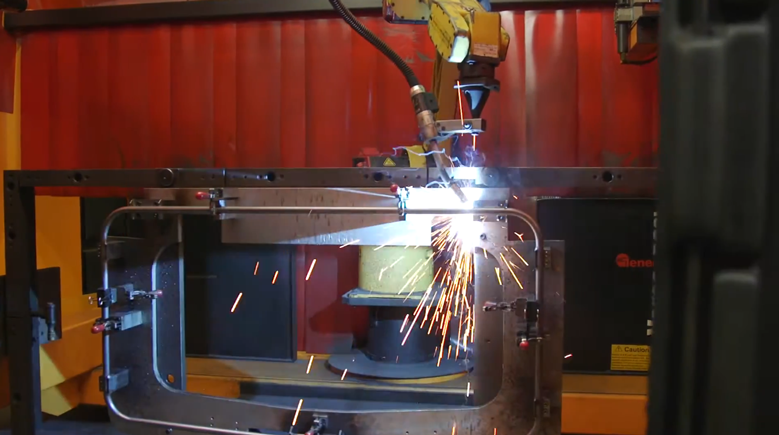
Hand Welding & Robotic Welding Capabilities
Our automatic tube welding services include an extra-large work envelope and CNC positioners for the ultimate in coordinated movement. Each welding robot is outfitted with a double-sided workbench, which allows welding, loading, and unloading to happen simultaneously.
The plant is also equipped to do hand MIG welding and TIG welding when an assembly requires it. Our welded assemblies include:
- Laser-processed tubes
- Formed tubes
- Stampings and wire forms
- Casting and forgings
- Bushings and bosses
- Machined components
What Makes Us Unique
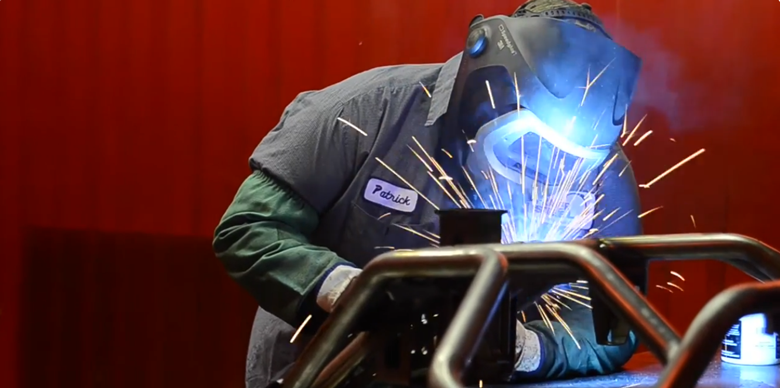
Quality Welding Services | AWS D9.1 Certification
Our robotic welding processes follow the AWS D9.1 standard. Developed by the American Welding Society, this is essentially the “rulebook” for welding thin-gauge sheet metal.
If your project involves materials that are up to 6.07 mm in thickness, this code ensures that every weld is strong, safe, and consistent.
Why AWS D9.1 Matters for Your Project
Whether we are fabricating components for medical equipment or precision automotive parts, adhering to this code provides several key benefits:
- Guaranteed Strength: It sets the requirements for structural integrity, ensuring the finished product won’t fail under pressure.
- Precision Standards: It defines exactly how thin metals should be handled to avoid warping or burn-through.
- Certified Expertise: It outlines the specific tests our welding procedures and operators must pass to be qualified.”
- Reliable Inspection: It provides clear pass/fail criteria for quality control, so you know every part meets the same high standard.
Because our automatic tube welding services meet AWS D9.1 standards, you can trust we will deliver the perfect balance of speed, repetition, and structural safety for your tubular assemblies.
Commitment to the Environment and our Employees
We have invested heavily in making sure that our air filtration systems exceed the industry required standard. This makes our shop a safe place to work, and it reduces our impact on the environment.
Partner with Fraser Steel
Robotic welding makes us a true “one-stop shop” for precision tubular assemblies. Request a quote and start working with the “SWAT Team of Tubing!”
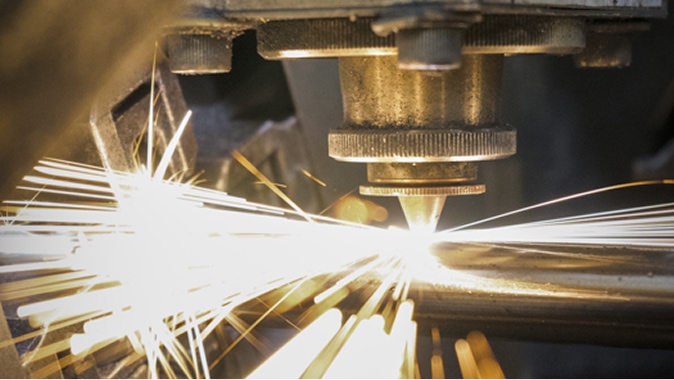
Industries We Serve
Fraser Steel’s willingness to adapt to meet the ever-changing needs of a variety of industries makes it the go-to supplier of world-class quality products and services.
Frequently Asked Questions
What are the benefits of using robotic welding for my project?
Robotic welding offers better consistency, speed, and precision compared to traditional methods. At Fraser Steel, our robots use double-sided workbenches, allowing us to load and unload parts while the machine is welding. This workflow significantly reduces production time and lowers overall costs for high-volume assemblies.
How does Fraser Steel ensure a perfect fit for welded tubular components?
Our “one-stop shop” approach allows our laser tube cutting and welding departments to work in sync. By using precision laser cuts for copes and miters, we ensure that every piece fits together perfectly before the welding begins. This tight fit results in stronger welds, higher structural integrity, and a cleaner finished look.
Can you handle assemblies that require more than just tube-to-tube welding?
Yes! While we specialize in tubular components, our robotic and manual (MIG/TIG) capabilities allow us to weld a wide variety of attachments, including:
- Stampings and wire forms
- Castings and forgings
- Machined components, bushings, and bosses
Is Fraser Steel equipped for small-batch or specialized welding?
While our robotic systems are built for high-efficiency production, we also maintain a highly skilled manual welding team. Our plant is fully equipped for hand MIG and TIG welding when an assembly requires hand welding.